Why do we need data centers?
Data centers power modern life.
The essential infrastructure of the internet
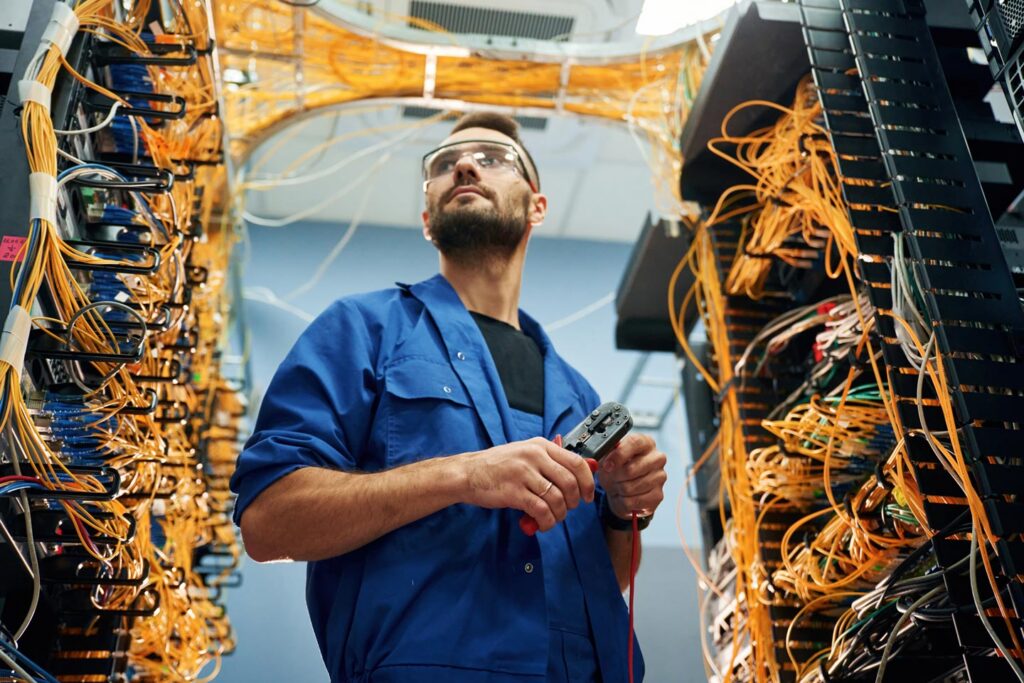
Data centers house computer servers that run programs and store data and network gear like routers and switchers that link computers together and connect them to the internet. These centers are the essential infrastructure of the internet, including anything we do with our smart phones, laptops or wearable devices like smart watches and trackers.
Data centers power our modern lives
Data centers run the applications that deliver and store every e-mail or text message we send, every photo we take and share, and the music, movies and television programs we stream. They power the navigation, banking and national security systems we need. They store essential records and health care data. They are fundamental to how we manage critical infrastructure like our energy grids. Now, data centers are powering artificial intelligence (AI) capabilities. All of this is driving the need for more computing power and storage space.
According to Data Center Map, a respected industry source, there are more than 3,000 data centers of various sizes currently operating around the country. In Illinois alone, there already are 164 operating data centers doing their work to power the internet nearly invisibly with few issues and little fanfare.
AI tools are helping people make transformative breakthroughs
But we need more computing power and more data centers to make them possible. Here are just two of the many professions being transformed by people using AI tools.

Law enforcement
Thousands of law enforcement agencies across the U.S. already are using AI to make communities safer and solve crimes faster. Agencies use AI:
- to generate police reports using body camera footage to get officers out of headquarters and back out on the streets faster;
- for facial recognition;
- for faster review of surveillance footage; and
- for automated license plate recognition to track suspects.
In 2026, the Madison County, Illinois Sheriff’s Department solved a 1993 cold case of a Granite City murder using AI and new forensic DNA technology. Detectives uploaded more than 2,000 pages of files into an AI platform that helped them quickly generate new leads that led investigators to the killer (Fox2 News).
Health Care
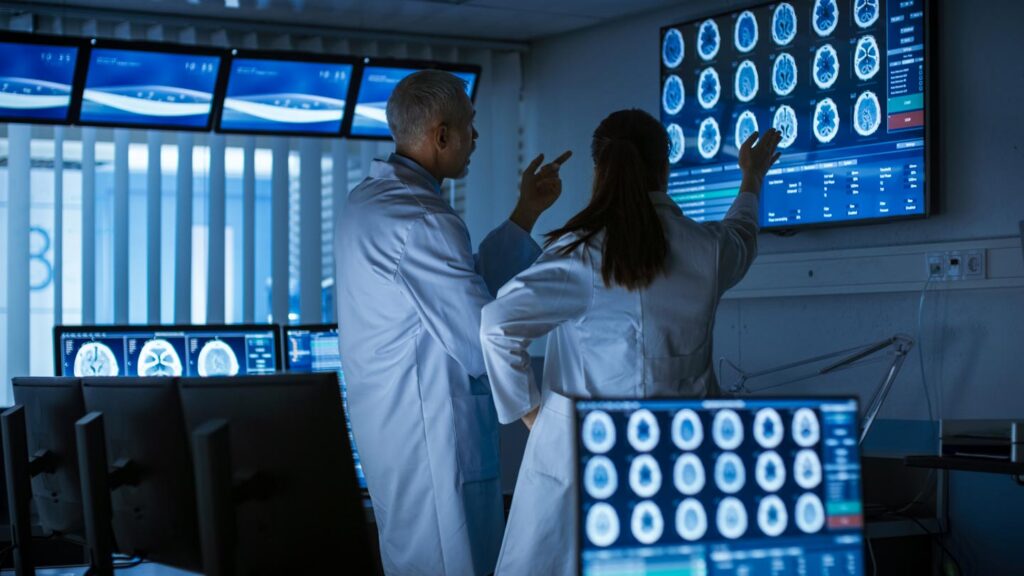
Locally, doctors and nurses are using AI tools to transform health care for the better, from speeding up research into new medications to early detection of cancers or instant diagnosis of strokes on medical scans.
Harvard Medical School cites ways doctors are employing AI to focus more on their patients.
- AI can automate tasks like taking visit notes to free up doctors to spend more time listening to their patients, as well as flagging patient medical history for doctors to personalize treatment options.
- AI can help clinicians better interpret imaging results, flagging potential issues for more review.
- AI can aid in the diagnosis and treatment of rare diseases unfamiliar to some clinicians.
- AI can help health care organizations improve quality and safety by analyzing a large quantity of data quickly and identifying actions staff should take to protect patients.

The U.S. must continue to be the world's technology innovator
The U.S. is in a race with China. We have been the leader in innovation for generations and it remains critical for our economy and our national security to continue to lead the world in developing this powerful technology.